Identify baboon species
using AI
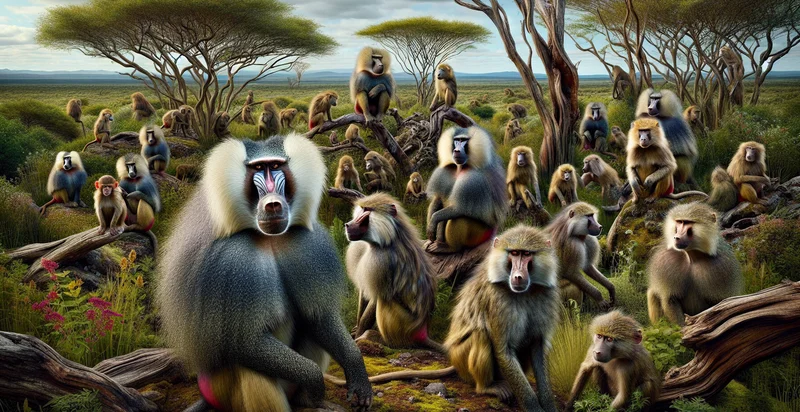
Below is a free classifier to identify baboon species. Just upload your image, and our AI will predict which baboon species it is - in just seconds.
Create a free account to:
Get instant API credentials
Start calling the API immediately with your own keys
Track accuracy on your data
See real-time performance metrics and understand how well the model works for your specific use case
Discover better models for your data
Get recommendations for specialist models trained on your examples that are more accurate and cost-effective
How this classifier works
To start, upload your image. Our AI tool will then predict which baboon species it is.
This pretrained image model uses a Nyckel-created dataset and has 9 labels, including Olive Baboon and Yellow Baboon.
We'll also show a confidence score (the higher the number, the more confident the AI model is around which baboon species it is).
Whether you're just curious or building baboon species detection into your application, we hope our classifier proves helpful.
Related Classifiers
Need to identify baboon species at scale?
Get API or Zapier access to this classifier for free. It's perfect for:
- Wildlife Conservation Efforts: Wildlife conservation organisations can make use of the 'baboon species' identifier to monitor the populations of different baboon species in a certain area. This allows them to better understand population dynamics and implement appropriate conservation measures.
- Biodiversity Studies: Researchers conducting biodiversity studies can use this function to quickly identify the species of baboons in captured images. This can save significant time in field work, allowing for a faster and more efficient data collection process.
- Animal Documentary Filmmaking: Wildlife documentary filmmakers can use this function to correctly identify and label different baboon species in their footage, ensuring accurate information is provided to their viewers.
- Zoo Management: Zoos can utilize the 'baboon species' identifier in monitoring and documenting the different species of baboons they house. This helps in keeping accurate records and ensuring proper care and management for each specific species.
- Ecotourism: Companies operating in the ecotourism sector can use this function to help guides and tourists alike easily identify different species of baboons in their natural habitat, enhancing the overall experience.
- Wildlife Photography: Wildlife photographers can use this identifier to accurately label the species of baboon they photograph. This provides further context to their work and can be especially useful for educational purposes.
- Hunting Regulation: Law enforcement and game wildlife rangers could monitor hunting activities using the identifier to ensure that endangered or protected species of baboons are not being illegally hunted or sold in the black market.