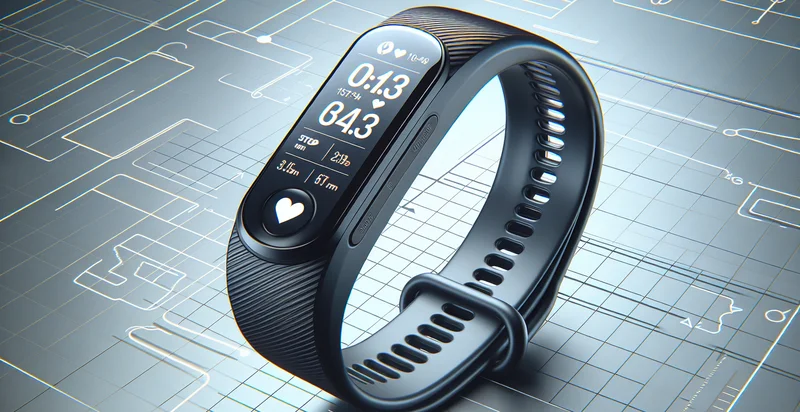
Identify fitness tracker
using AI
Below is a free classifier to identify fitness tracker. Just upload your image, and our AI will predict your fitness level based on your activity patterns - in just seconds.
Create a free account to:
Get instant API credentials
Start calling the API immediately with your own keys
Track accuracy on your data
See real-time performance metrics and understand how well the model works for your specific use case
Discover better models for your data
Get recommendations for specialist models trained on your examples that are more accurate and cost-effective
How this classifier works
To start, upload your image. Our AI tool will then predict your fitness level based on your activity patterns.
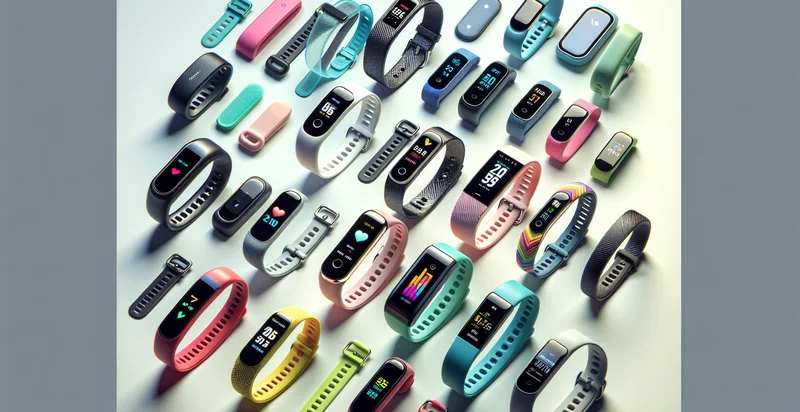
This pretrained image model uses a Nyckel-created dataset and has 20 labels, including Amazfit, Apple Watch, Brightup, Fitbit, Fossil Hybrid Hr, Garmin, Huawei Watch, Jawbone Up, Lifetrak and Misfit Vapor.
We'll also show a confidence score (the higher the number, the more confident the AI model is around your fitness level based on your activity patterns).
Whether you're just curious or building fitness tracker detection into your application, we hope our classifier proves helpful.
Related Classifiers

Need to identify fitness tracker at scale?
Get API or Zapier access to this classifier for free. It's perfect for:
- Health Coaching Support: This function can help health coaches evaluate the credibility of fitness tracker results by identifying inaccurate data representation. They can improve their coaching strategies by accessing verified data from their clients' fitness trackers, ensuring tailored and effective health advice.
- Insurance Premium Calculation: Insurance companies can rely on this function to assess the reliability of fitness tracker data submitted by policyholders. By identifying false representations, insurers can determine fair premium rates based on accurate health metrics.
- Corporate Wellness Monitoring: Companies can utilize the function to ensure the fitness data submitted by employees for wellness programs is legitimate. This helps in designing reliable health initiatives and incentives that are based on true employee fitness levels.
- Research and Development: Health researchers can leverage this function when analyzing data from participant-provided fitness trackers in clinical studies. Identifying false classifications can enhance the quality of research findings and contribute to the development of more effective health interventions.
- Fitness App Integrity: Developers of fitness applications can integrate this function to verify the authenticity of data being uploaded by users. This ensures that user-generated content remains credible, fostering trust and encouraging fair competition among app users.
- Equipment Validation: Manufacturers of fitness tracking devices can employ this function for quality control, ensuring that their products generate accurate representations of physical activity. By identifying false classifications in real-world scenarios, they can refine their devices and improve user experience.
- Personal Trainer Insights: Personal trainers can use this function to validate the accuracy of fitness data reported by their clients. By ensuring that the data is truthful, trainers can construct better, data-driven fitness programs and track progression more effectively.