Identify if barcode has reflection glare
using AI
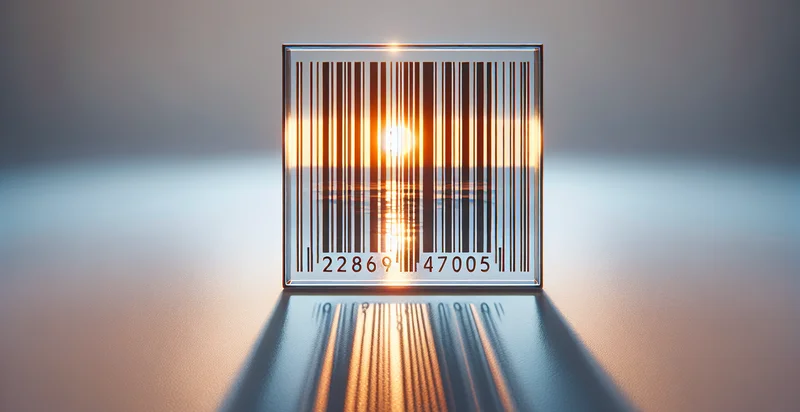
Below is a free classifier to identify if barcode has reflection glare. Just upload your image, and our AI will predict if the barcode has reflection glare - in just seconds.
Create a free account to:
Get instant API credentials
Start calling the API immediately with your own keys
Track accuracy on your data
See real-time performance metrics and understand how well the model works for your specific use case
Discover better models for your data
Get recommendations for specialist models trained on your examples that are more accurate and cost-effective
How this classifier works
To start, upload your image. Our AI tool will then predict if the barcode has reflection glare.
This pretrained image model uses a Nyckel-created dataset and has 2 labels, including Glare Present and No Glare.
We'll also show a confidence score (the higher the number, the more confident the AI model is around if the barcode has reflection glare).
Whether you're just curious or building if barcode has reflection glare detection into your application, we hope our classifier proves helpful.
Related Classifiers
Need to identify if barcode has reflection glare at scale?
Get API or Zapier access to this classifier for free. It's perfect for:
- Inventory Management: Retailers can automate inventory checks by using the glare identification function to ensure barcodes are scanned correctly. This can minimize errors in stock counts caused by reflective glare, leading to more accurate inventory data.
- Quality Control in Manufacturing: Manufacturers can implement this function during the quality control processes to verify that product barcodes are clearly legible and free from glare. This ensures that only products with readable barcodes are approved for shipment, reducing returns due to scanning errors.
- Logistics Tracking: Logistics companies can utilize this function to verify package tracking barcodes at various checkpoints. By identifying glare issues, these companies can rescan or adjust lighting, ensuring accurate tracking and minimizing delays in delivery.
- Point of Sale Operations: Retail point-of-sale systems can benefit from identifying glare on barcodes during checkout. By promptly flagging problematic barcodes, cashiers can quickly resolve scanning issues, leading to a smoother transaction experience for customers.
- Automated Checkout Systems: Self-checkout kiosks can integrate this function to detect and resolve glare on barcodes automatically. This enhances the customer experience by reducing frustration when items fail to scan due to lighting conditions.
- Mobile Payment Solutions: Mobile apps that scan barcodes for payment can use this glare identifier to ensure accurate reads. This feature can help by alerting users to adjust the angle or lighting before scanning, thereby enhancing payment efficiency.
- Return Processing: Retailers can implement this function during the returns process to ensure that returned items have clear barcode visibility. This helps streamline the return verification process, reducing customer wait times and improving overall service quality.