Identify if food bowl is rusted
using AI
Below is a free classifier to identify if food bowl is rusted. Just upload your image, and our AI will predict if the food bowl is rusty - in just seconds.
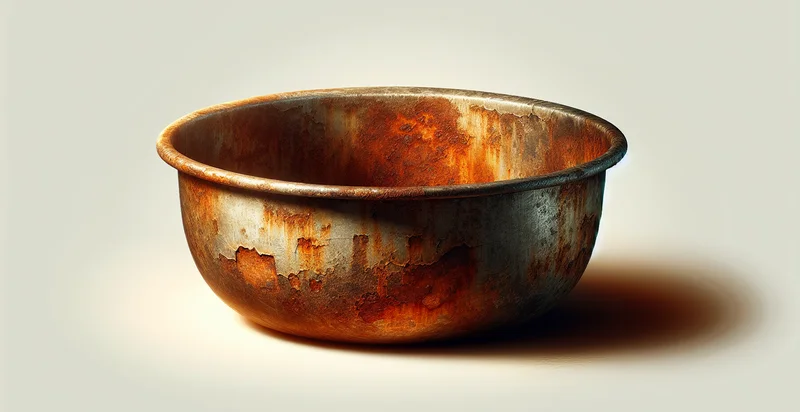
Create a free account to:
Get instant API credentials
Start calling the API immediately with your own keys
Track accuracy on your data
See real-time performance metrics and understand how well the model works for your specific use case
Discover better models for your data
Get recommendations for specialist models trained on your examples that are more accurate and cost-effective
How this classifier works
To start, upload your image. Our AI tool will then predict if the food bowl is rusty.
This pretrained image model uses a Nyckel-created dataset and has 2 labels, including Not Rusted and Rusted.
We'll also show a confidence score (the higher the number, the more confident the AI model is around if the food bowl is rusty).
Whether you're just curious or building if food bowl is rusted detection into your application, we hope our classifier proves helpful.
Related Classifiers


Need to identify if food bowl is rusted at scale?
Get API or Zapier access to this classifier for free. It's perfect for:
- Pet Product Quality Assurance: Pet product manufacturers can use the rust identification function to ensure their food bowls meet safety and hygiene standards. By automatically scanning bowls for rust, companies can identify defective products before they reach consumers, reducing liability and enhancing brand reputation.
- E-Commerce Listings Validation: Online retailers can implement this identifier to validate the condition of food bowls listed on their platforms. By ensuring that only non-rusted bowls are sold, sellers can improve customer satisfaction and reduce return rates due to product flaws.
- Recycling and Waste Management: Waste management companies can utilize this technology to identify rusty food bowls during recycling processes. By sorting out these items, they can ensure that hazardous materials do not contaminate recyclables and streamline the recycling workflow.
- Veterinary Clinics Inventory Management: Veterinary clinics can leverage the identifier to regularly check the inventory of pet bowls used during examinations or boarding. This proactive maintenance can help clinics replace outdated items, enhancing hygiene standards and ensuring a safe environment for pets.
- Consumer Safety Alerts: Food bowl manufacturers can leverage the identifier to monitor products returned by consumers for safety concerns. Analyzing images of returned bowls can lead to quick identification of rust issues, initiating recalls or safety alerts to protect consumers.
- Inspection for Charitable Donations: Animal shelters and charities can use the rust identifier to inspect food bowls donated by the community. By ensuring that only safe, non-rusted items are distributed to animals in need, organizations can maintain high standards for pet welfare.
- Research and Development Insights: Researchers can utilize the rust identification function in studies focused on material durability and corrosion resistance in pet products. By gathering data on bowl conditions over time, companies can innovate to create rust-resistant materials, improving overall product lifespan.