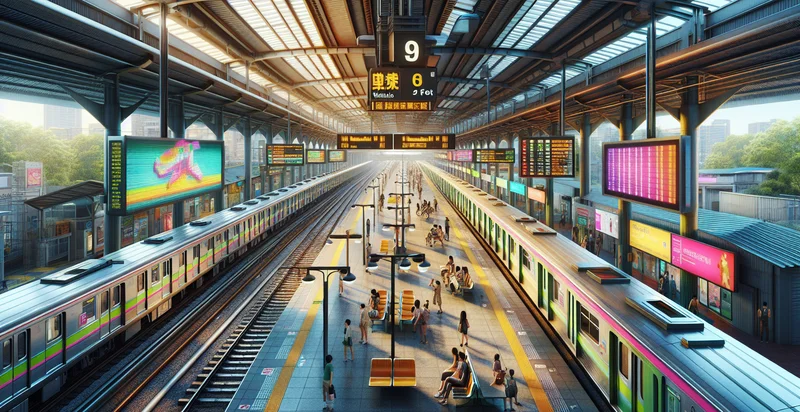
Identify length of train platform in feet
using AI
Below is a free classifier to identify length of train platform in feet. Just upload your image, and our AI will predict the length of a train platform in feet. - in just seconds.
Create a free account to:
Get instant API credentials
Start calling the API immediately with your own keys
Track accuracy on your data
See real-time performance metrics and understand how well the model works for your specific use case
Discover better models for your data
Get recommendations for specialist models trained on your examples that are more accurate and cost-effective
How this classifier works
To start, upload your image. Our AI tool will then predict the length of a train platform in feet..
This pretrained image model uses a Nyckel-created dataset and has 9 labels, including 1-5 Feet, 10-20 Feet, 100+ Feet, 20-30 Feet, 30-40 Feet, 40-50 Feet, 5-10 Feet, 50-100 Feet and <1 Foot.
We'll also show a confidence score (the higher the number, the more confident the AI model is around the length of a train platform in feet.).
Whether you're just curious or building length of train platform in feet detection into your application, we hope our classifier proves helpful.
Related Classifiers


Need to identify length of train platform in feet at scale?
Get API or Zapier access to this classifier for free. It's perfect for:
- Platform Safety Compliance: Rail operators can utilize the 'length of train platform in feet' identifier to ensure that all train platforms meet safety regulations. By comparing platform lengths against train dimensions, they can identify potential hazards for passengers during boarding and alighting.
- Infrastructure Maintenance Planning: Maintenance teams can leverage this function to prioritize inspections and maintenance based on platform length. Longer platforms may require more frequent upkeep, and identifying the lengths helps in effectively allocating resources and planning schedules.
- Capacity Optimization: Transportation agencies can use the length data to optimize train schedules and service frequency. By understanding platform capacities, agencies can ensure efficient crowd management during peak hours, minimizing waiting times for passengers.
- New Station Development: Urban planners and transportation authorities can use the platform length identifier to determine requirements for new stations. Accurate data on platform sizes can guide design specifications, ensuring that new stations accommodate anticipated train lengths and passenger loads.
- Customer Experience Enhancement: Retail and service providers near train stations can use platform length data to anticipate foot traffic patterns. By understanding where passengers are most likely to congregate, businesses can strategically place signage, seating, or services to enhance the customer experience.
- Train Scheduling Adjustments: Train operators can use platform length information to fine-tune their scheduling algorithms. By aligning train lengths with platform sizes, they can minimize dwell times at stations, improving overall service efficiency and timeliness.
- Emergency Response Planning: Safety officials can utilize the platform length identifier in emergency response strategies. Understanding platform sizes allows first responders to devise effective evacuation plans and ensure that they can accommodate all passengers during emergencies.