Identify occupied or not
using AI
Below is a free classifier to identify occupied or not. Just upload your image, and our AI will predict whether a space is occupied or not - in just seconds.

Create a free account to:
Get instant API credentials
Start calling the API immediately with your own keys
Track accuracy on your data
See real-time performance metrics and understand how well the model works for your specific use case
Discover better models for your data
Get recommendations for specialist models trained on your examples that are more accurate and cost-effective
How this classifier works
To start, upload your image. Our AI tool will then predict whether a space is occupied or not.
This pretrained image model uses a Nyckel-created dataset and has 2 labels, including Occupied and Not Occupied.
We'll also show a confidence score (the higher the number, the more confident the AI model is around whether a space is occupied or not).
Whether you're just curious or building occupied or not detection into your application, we hope our classifier proves helpful.
Related Classifiers


Need to identify occupied or not at scale?
Get API or Zapier access to this classifier for free. It's perfect for:
- Real Estate Viewing Efficiency: Real estate companies could use this function to quickly determine if a rental or sale property is currently occupied or not. This could significantly decrease the time taken for physical visits and streamline the entire property viewing process.
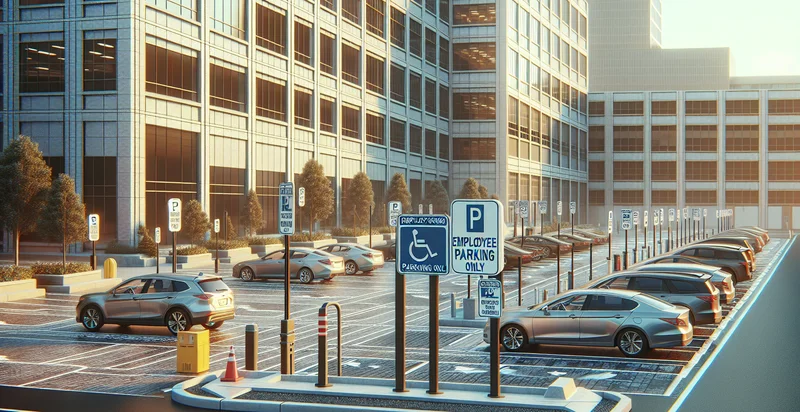
- Parking Space Availability: A parking management application could use this feature to determine and indicate whether a parking lot or a specific parking space is occupied or not, thereby assisting drivers in quickly finding available parking slots.
- Intrusion Detection: Companies could use this function as a part of their security systems to identify whether a restricted or sensitive area is occupied or not, alerting security personnel of possible intrusions.
- Office Space Management: Large organisations could use this tool to monitor efficient usage of meeting rooms and workspaces. The system would signal when meeting rooms are unoccupied and available for use, reducing the likelihood of double bookings.
- Retail Store Traffic Management: Retail businesses could use this function to monitor customer flow or spatial occupancy, helping them adjust store layouts for better customer experience and studying patterns to enhance sales performance.
- Public Transport Optimization: Public transportation agencies could use this function to determine if buses or trains are occupied or not. This could help in effectively managing routes or dispatch schedules based on occupancy rates.
- Energy Efficiency: The function could be used by smart home technology to monitor which rooms in a house are occupied. This information would then be used to adjust lighting and temperature settings for energy efficiency.