Identify octopus species
using AI
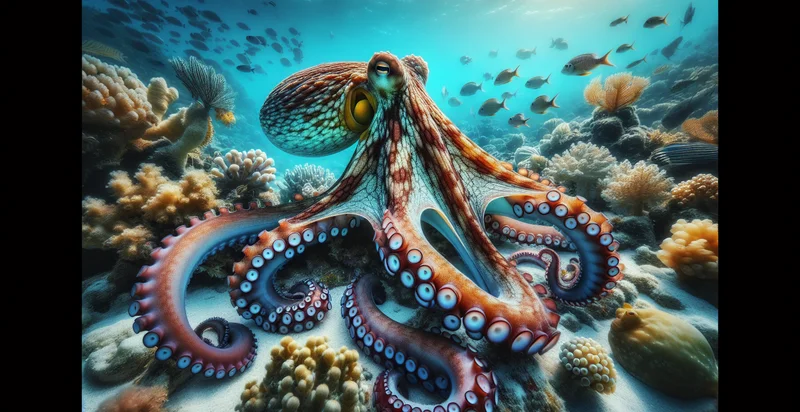
Below is a free classifier to identify octopus species. Just upload your image, and our AI will predict which species of octopus it is - in just seconds.
Create a free account to:
Get instant API credentials
Start calling the API immediately with your own keys
Track accuracy on your data
See real-time performance metrics and understand how well the model works for your specific use case
Discover better models for your data
Get recommendations for specialist models trained on your examples that are more accurate and cost-effective
How this classifier works
To start, upload your image. Our AI tool will then predict which species of octopus it is.
This pretrained image model uses a Nyckel-created dataset and has 30 labels, including Common Octopus and Giant Pacific Octopus.
We'll also show a confidence score (the higher the number, the more confident the AI model is around which species of octopus it is).
Whether you're just curious or building octopus species detection into your application, we hope our classifier proves helpful.
Related Classifiers


Need to identify octopus species at scale?
Get API or Zapier access to this classifier for free. It's perfect for:
- Aquatic Biodiversity Monitoring: Environmental agencies can use the 'octopus species' identifier to keep track of the variety and density of octopus species in a given area, helping to maintain biodiversity and detect environmental changes early.
- Aquarium Species Identification: Aquariums often house various species of octopus. This tool will aid in faster and accurate identification of octopus species for educational purposes, care needs, and proper housing.
- Fishing Industry Efficiency: Fishers, especially those specializing in octopus catch can use this identifier to accurately classify their catch, allowing for faster processing and better market value determination.
- Marine Life Research: Scientists and researchers studying marine life can utilize the 'octopus species' identifier for efficient categorization of species, accelerating their research and enhancing its accuracy.
- Control Invasive Species: Conservation agencies can use the tool to identify and monitor invasive octopus species in certain ecosystems, enabling better control methods and resulting in preserving the balance of aquatic ecosystems.
- Seafood Retailers & Restaurants: Companies in the seafood industry can use this function to authenticate the species of octopus they sell to maintain quality and to ensure regulatory compliance.
- Aquatic Pet Trade Surveillance: Government and industry regulators can use the identifier to monitor the trade of octopus species; preventing the illegal sale of endangered species, ensuring the health and safety of the species, and preserving the natural ecosystems from where they were captured.