Identify pepper heat levels
using AI
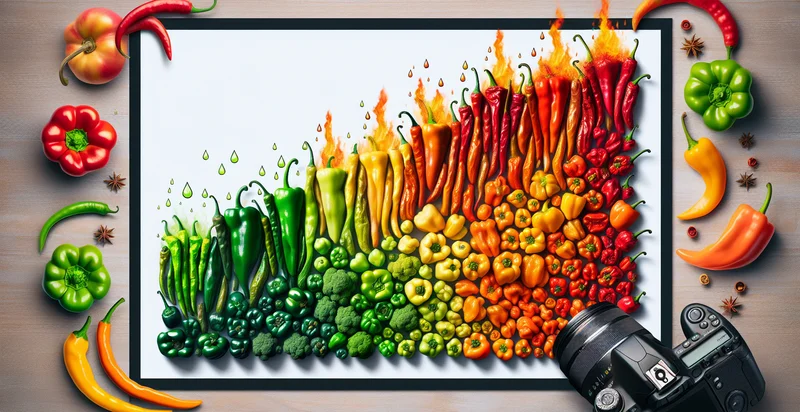
Below is a free classifier to identify pepper heat levels. Just upload your image, and our AI will predict the heat level of different pepper varieties - in just seconds.
Create a free account to:
Get instant API credentials
Start calling the API immediately with your own keys
Track accuracy on your data
See real-time performance metrics and understand how well the model works for your specific use case
Discover better models for your data
Get recommendations for specialist models trained on your examples that are more accurate and cost-effective
How this classifier works
To start, upload your image. Our AI tool will then predict the heat level of different pepper varieties.
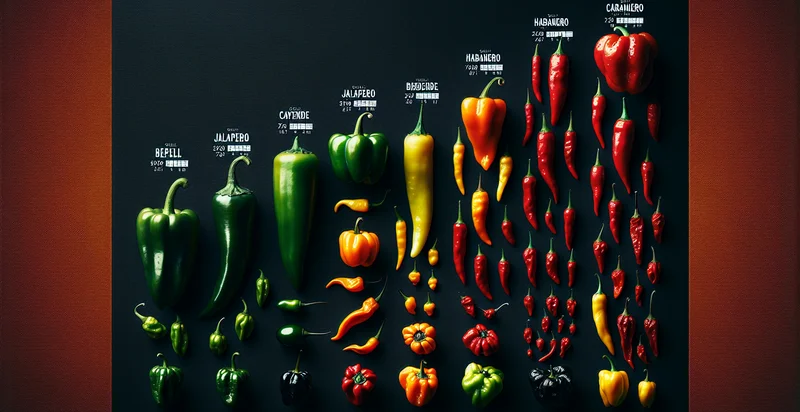
This pretrained image model uses a Nyckel-created dataset and has 6 labels, including Extremely Hot, Hot, Medium, Mild, None and Very Hot.
We'll also show a confidence score (the higher the number, the more confident the AI model is around the heat level of different pepper varieties).
Whether you're just curious or building pepper heat levels detection into your application, we hope our classifier proves helpful.
Related Classifiers
Need to identify pepper heat levels at scale?
Get API or Zapier access to this classifier for free. It's perfect for:
- Quality Control in Agriculture: Agricultural producers can utilize the pepper heat levels identifier to ensure consistent quality in their crops. By classifying the heat levels of harvested peppers, farmers can selectively grade their products for sale, affording better quality control and meeting market demands.
- Product Development for Food Manufacturers: Food manufacturers can leverage the heat level classification to develop new food products, such as sauces or snacks. By accurately identifying pepper heat levels, companies can formulate recipes that deliver the desired flavor profiles and heat intensity, catering to consumer preferences.
- Marketing Insights for Retailers: Retailers can use the heat classification to better understand consumer preferences and trends in the spice market. By analyzing sales data alongside heat level classifications, they can tailor marketing strategies and inventory to meet customer demand for specific pepper varieties.
- Consumer Education Tools: Restaurants and food bloggers can implement the identifier in their online platforms to educate consumers about pepper heat levels. By providing accurate information and recommendations, they can help consumers make informed choices when selecting peppers for their meals.
- Spice Blending and Customization: Companies specializing in spice blends can use the pepper heat levels identifier to create tailored spice mixes. By accurately classifying the heat of different peppers, they can optimize their blends for specific culinary applications or customer preferences, ensuring a unique product offering.
- Supply Chain Optimization: Distributors can employ the heat classification in their supply chain management to streamline the movement of pepper products. Understanding the heat levels allows for better pairing of products with customer needs, reducing spoilage and maximizing sales opportunities.
- Culinary Competitions and Events: Organizers of culinary competitions can integrate the heat level identifier to enhance judging criteria for dishes featuring peppers. By providing a standardized measurement of pepper heat levels, judges can give more informed evaluations and ensure fairness in competitions focused on spiciness.