Identify width of storefront in feet
using AI
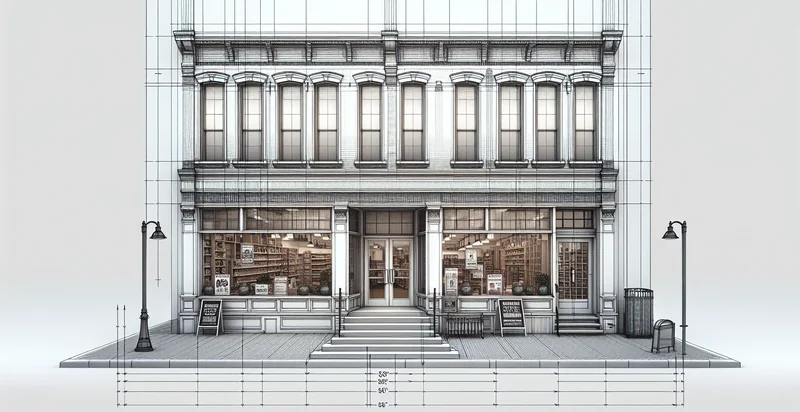
Below is a free classifier to identify width of storefront in feet. Just upload your image, and our AI will predict the width of the storefront in feet - in just seconds.
Create a free account to:
Get instant API credentials
Start calling the API immediately with your own keys
Track accuracy on your data
See real-time performance metrics and understand how well the model works for your specific use case
Discover better models for your data
Get recommendations for specialist models trained on your examples that are more accurate and cost-effective
How this classifier works
To start, upload your image. Our AI tool will then predict the width of the storefront in feet.
This pretrained image model uses a Nyckel-created dataset and has 52 labels, including 1 Foot, 10 Feet, 11 Feet, 12 Feet, 13 Feet, 14 Feet, 15 Feet, 16 Feet, 17 Feet and 18 Feet.
We'll also show a confidence score (the higher the number, the more confident the AI model is around the width of the storefront in feet).
Whether you're just curious or building width of storefront in feet detection into your application, we hope our classifier proves helpful.
Related Classifiers


Need to identify width of storefront in feet at scale?
Get API or Zapier access to this classifier for free. It's perfect for:
- Storefront Space Optimization: Retailers can use the width of storefronts to assess whether their space is being utilized effectively. By analyzing the dimensions, businesses can make informed decisions about product placement, signage, and promotional displays to maximize customer engagement.
- Competitive Analysis: Businesses can leverage the storefront width data to conduct a competitive analysis in their market. By comparing their storefronts to those of competitors, they can identify strategic advantages or areas needing improvement to enhance customer attraction.
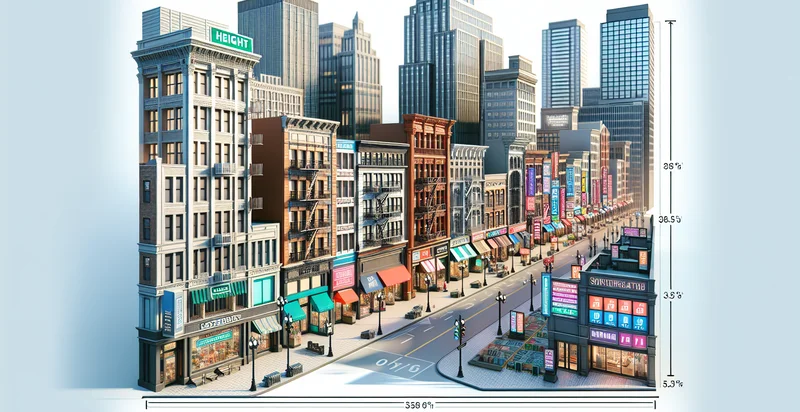
- Urban Planning: City planners can utilize storefront width information to inform zoning regulations and urban development initiatives. This data can help ensure a balanced distribution of retail space that promotes walkability and community engagement in urban areas.
- Franchise Development: Franchise companies can use storefront width classifications to standardize their store formats across different locations. This enables them to maintain brand consistency while adapting to location-specific requirements that influence store design.
- Real Estate Assessment: Real estate agents can analyze storefront width as part of their evaluation of commercial properties. This metric can influence pricing strategies or negotiations based on perceived value related to visibility and potential foot traffic.
- Advertising Strategy: Advertising agencies can consider the width of storefronts when developing local marketing campaigns. Wider storefronts may offer more visible advertising space, thus allowing businesses to optimize their promotional strategies based on physical characteristics.
- Customer Flow Prediction: Businesses can analyze how storefront width impacts foot traffic and customer flow. Understanding these dynamics can assist in staffing decisions and inventory management, ultimately enhancing overall operational efficiency.